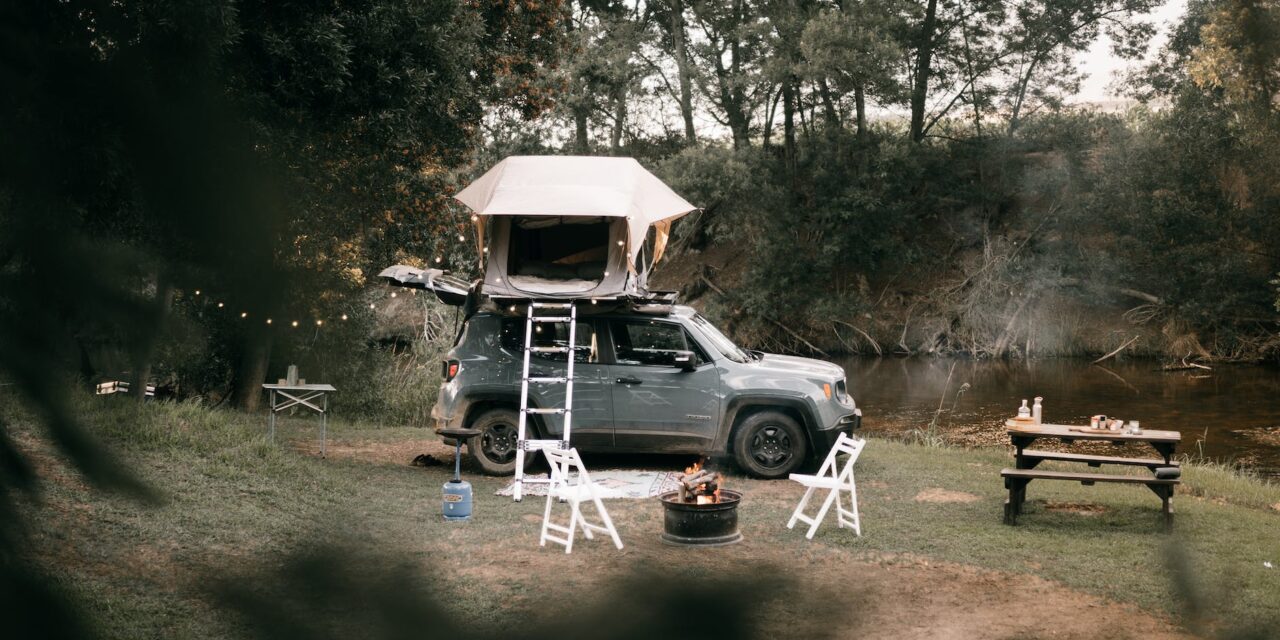
If you’re a fan of car camping or van life, you know that space is a premium and heavy fuel canisters are a hassle. Enter the hobo rocket stove: a game-changer for anyone who wants a hot meal without lugging around a propane tank. By utilizing the Rocket Mass Heater principle, this DIY build turns a handful of dry twigs into a high-intensity cooking flame in minutes.
Whether you’re at a crowded National Park campsite trying to keep smoke to a minimum or you’re pulled over at a trailhead for a quick “stealth” coffee, this stove is an essential addition to your trunk kit. It’s ultra-portable, burns nearly smokeless once it’s up to temperature, and—best of all—the fuel is free and literally lying on the ground around your car. In this post, I’ll show you how to build your own reliable car camping rocket stove using just three common tin cans.
What You Need
- Three cans of different sizes that can nest inside each other. (Compare this to commercial camping stoves here).
- A safety can opener (to avoid sharp edges).
- A pair of metal snips or tin snips.
- A nail or a drill to punch holes.
- A file or pliers to smooth the edges.
- A permanent marker and a pot stand (optional).
How to Make It
This “hobo” style is a variation of the classic hobo stove, but with an internal chimney. Here are the steps:
- Wash the cans. Remove both ends of the medium can and one end of the smallest can.
- Mark and cut the fuel chamber opening. Tip: Wear safety gloves!
- Insert the smallest can into the opening to ensure a snug fit.
- Align the internal “burn chamber” can and cut the corresponding hole.
- Create the burn shelf—this allows oxygen to flow under the fuel, creating the “rocket” effect.
- Punch exhaust holes just below the top lip of the largest can.
- Assemble the stove by nesting the cans into an L-shaped combustion path.
How to Use It
Because this is a top-lit updraft (TLUD) style of combustion, it burns much hotter than a regular campfire. You’ll notice how quickly it boils compared to a standard alcohol penny stove.
- Light your tinder and place it in the fuel chamber.
- Slide small twigs onto the burn shelf.
- The air flow from underneath creates a “jet” effect.
Safety & Important Tips
Before you light your first fire, please keep these safety precautions in mind:
- Edge Safety: Freshly cut tin is extremely sharp. Always use a file or pliers to crimp down “burrs” and wear work gloves during assembly.
- The “Burn-Off”: Most modern tin cans have a thin plastic/BPA liner. Do not cook over the first fire. Light the stove and let it burn hot for 15-20 minutes in an open area to burn off any chemical coatings.
- Surface Heat: The outer can gets incredibly hot. Never use this stove on a plastic table or dry grass. Always place it on a flat rock, sand, or a heat-resistant surface.
Troubleshooting Your Rocket Stove
If your stove is smoking or the fire keeps going out, check these common issues:
| Problem | Likely Cause & Solution |
|---|---|
| Excessive Smoke | The fire isn’t hot enough yet. Use smaller, drier twigs and ensure the burn shelf isn’t blocked so air can flow underneath. |
| Fire Keeps Dying | You might be “choking” the stove. Don’t jam too much wood in at once; leave room for the “rocket” draft to pull air through. |
| Weak Flame | Check for ash buildup. Periodically tap the stove or use a small stick to clear ash from the bottom of the burn chamber. |
Pro Tip: To get the best “jet” effect, always feed your fuel from the side (the fuel chamber) rather than dropping it in from the top!
Resources & Inspiration
- Wikipedia: Rocket Stove History – A reliable breakdown of the physics and the L-shaped design.
- Instructables: Advanced Rocket Stoves – A community-driven gallery of different DIY builds and modifications.
- Backpacking Light Forums – Real-world testing and discussions on DIY wood-burning efficiency.






Trackbacks/Pingbacks