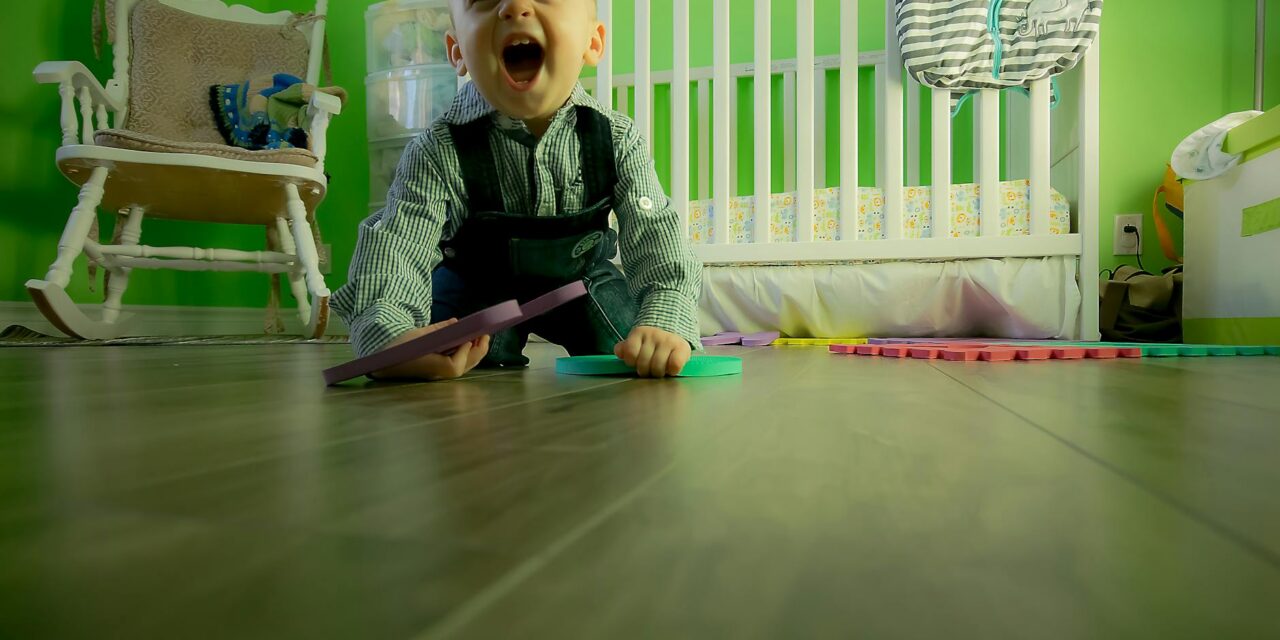
The 2026 Pediatrics study shows that kids under six can wrestle with concussion symptoms for months, and the early, subtle signs matter more than dramatic head‑bang moments.
The Hidden Reality of Toddler Concussions
Most parents think a concussion is a teenager’s sports injury—something that shows up as a headache, a dazed stare, or a loss of consciousness. In reality, toddlers can sustain a brain injury from a simple tumble off the couch, a fall from a playground slide, or even a playful shove. Yet the medical community still leans on adult‑centric checklists, leaving the youngest patients invisible.
A 2022 analysis of emergency‑room data warned that delayed diagnosis of concussion remains common, especially when the initial visit ends without a formal label — a gap that translates into missed treatment windows — research on delayed concussion diagnosis. The problem is compounded by the fact that children under six lack the vocabulary to describe dizziness, “brain fog,” or a “funny feeling” in their heads. As a WBAY report highlighted, “younger children don’t always have the language to describe their symptoms, leading to missed diagnoses” — WBAY on misdiagnosis.
When a toddler’s concussion is overlooked, the ripple effects can be profound. Families may attribute persistent irritability to a “terrible toddler phase,” while the underlying brain injury silently erodes sleep, mood, and play. The stakes are high: untreated concussion can set the stage for longer‑term cognitive and emotional challenges, as illustrated in personal accounts of adult TBI survivors who still wrestle with emotional lability — my own story of post‑injury mood swings.
What the New Pediatrics Study Reveals
In January 2026, researchers at Nationwide Children’s Hospital published a groundbreaking Pediatrics study that followed 312 children under six after a mild head injury. The headline finding was stark: more than one‑third of toddlers still exhibited concussion symptoms three months later, a timeline far beyond the “few weeks” most pediatric guidelines suggest. The study also discovered that the early symptom burden—sleep disturbances, mood swings, and changes in play behavior—predicted which children would have a prolonged recovery, whereas classic markers like loss of consciousness or vomiting proved far less informative — Medical Xpress on persistent symptoms.
These results overturn the long‑standing belief that a brief loss of consciousness is the gold standard for severity. Instead, the data show that a toddler who starts napping more, becomes unusually clingy, or loses interest in favorite toys may be on a trajectory toward a months‑long recovery. The study’s authors call for a “different public conversation” about early‑childhood concussion, urging clinicians and caregivers to shift focus from dramatic injury cues to the subtle, everyday signals that betray a brain still healing.
Why Classic Red Flags Fall Short
Traditional concussion checklists emphasize headache, vomiting, and loss of consciousness. While these signs are certainly important, they capture only a slice of the pediatric picture. The Verywell Health guide to toddler concussion signs reminds us that delayed symptoms can emerge days after the initial blow, often manifesting as irritability, poor appetite, or a sudden regression in language milestones — Verywell on delayed toddler symptoms.
The 2026 Pediatrics study confirms that the presence or absence of a headache tells us very little about a toddler’s recovery timeline. In fact, many children in the cohort never complained of head pain, yet they struggled with sleep fragmentation and mood volatility for weeks. This mismatch explains why emergency physicians, accustomed to adult patterns, may discharge a toddler with “nothing to worry about” after a brief observation period.
Furthermore, epidemiological data reveal that older children appear to have higher concussion prevalence simply because they engage in more sports and have longer exposure periods — prevalence study on age differences. This statistic can lull clinicians into a false sense of security when evaluating toddlers, assuming they are statistically less likely to be injured. The reality is that toddlers experience a different injury mechanism—often low‑impact but high‑frequency falls—that produces diffuse brain stress not captured by adult‑centric tools.
The Everyday Signs Parents Can’t Ignore
If you’re watching a toddler who recently took a tumble, keep a mental checklist that goes beyond the obvious:
| Subtle Signal | What It Might Mean |
|---|---|
| Increased nap time or difficulty staying awake | Disrupted brain energy regulation; a sign the brain is still recovering. |
| Sudden clinginess or separation anxiety | Early mood dysregulation that can precede longer‑term emotional lability. |
| Loss of interest in favorite toys or a drop in exploratory play | Cognitive fatigue; the child’s brain may be conserving resources. |
| Changes in eating patterns (eating less or more) | Autonomic nervous system stress, often linked to concussion. |
| Frequent meltdowns that feel out of proportion | Heightened irritability that may stem from subtle vestibular dysfunction. |
These observations echo the lived experience of many TBI survivors who recount how sleep and mood were the first things to go wrong, long before any headache ever appeared. My own narrative about emotional lability after a concussion underscores how mood swings can dominate the recovery landscape, a reality that toddlers cannot verbalize but can certainly act out — my TBI emotional journey.
When any of these signs appear, treat them as red flags. Document the day they started, note any triggers (e.g., a noisy environment or a new routine), and bring the log to your pediatrician. Early, concrete data empower clinicians to order a formal concussion evaluation, even if the child never says “my head hurts.”
A New Conversation: Monitoring Beyond Headaches
The take‑home message from the Pediatrics study is crystal clear: the early symptom burden is the best predictor of prolonged recovery in toddlers. This insight demands a cultural shift in how we talk about head injuries in the under‑six crowd.
First, pediatricians should incorporate a standardized “Toddler Concussion Symptom Sheet” into every well‑child visit for children who have experienced a fall, regardless of whether a concussion was diagnosed at the time. The sheet would ask caregivers to rate sleep quality, mood, appetite, and play engagement over the past week.
Second, public health messaging—parenting blogs, daycare training, and pediatric pamphlets—must replace the headline “Watch for vomiting and loss of consciousness” with “Watch for changes in sleep, mood, and play.” A simple tagline like “Sleep, Mood, Play: The Triple‑Check for Tiny Heads” can embed the new checklist into everyday conversations.
Finally, caregivers need reassurance that monitoring these subtle signs is not overreacting. The 2026 study’s authors emphasize that early detection can shorten the overall recovery window, sparing families months of uncertainty. By catching a sleep disturbance on day 5 rather than day 30, clinicians can initiate cognitive‑behavioral strategies, tailored activity pacing, and, when needed, neuro‑rehabilitation referrals—interventions that have been shown to accelerate healing in older children and are likely just as effective for toddlers.
In short, the era of “if they’re not crying, they’re fine” must end. Our youngest patients deserve a concussion conversation that respects the unique ways their brains speak. By listening to the quiet cues—how they nap, how they smile, how they play—we give them the best chance to bounce back fully, just as the title of a Kindalame feature reminds us: bouncing back from trauma is possible when we tune into the whole person, not just the obvious injury — harnessing the human mind’s might.
Bottom line: If your toddler has taken a fall, don’t wait for a headache or a vomiting episode to sound the alarm. Track sleep, mood, appetite, and play from day one. Those everyday observations are the most reliable compass for navigating a concussion that might otherwise stay hidden for months. Your vigilance can turn a missed diagnosis into a swift, supportive recovery—one nap, one smile, and one playful moment at a time.






Trackbacks/Pingbacks