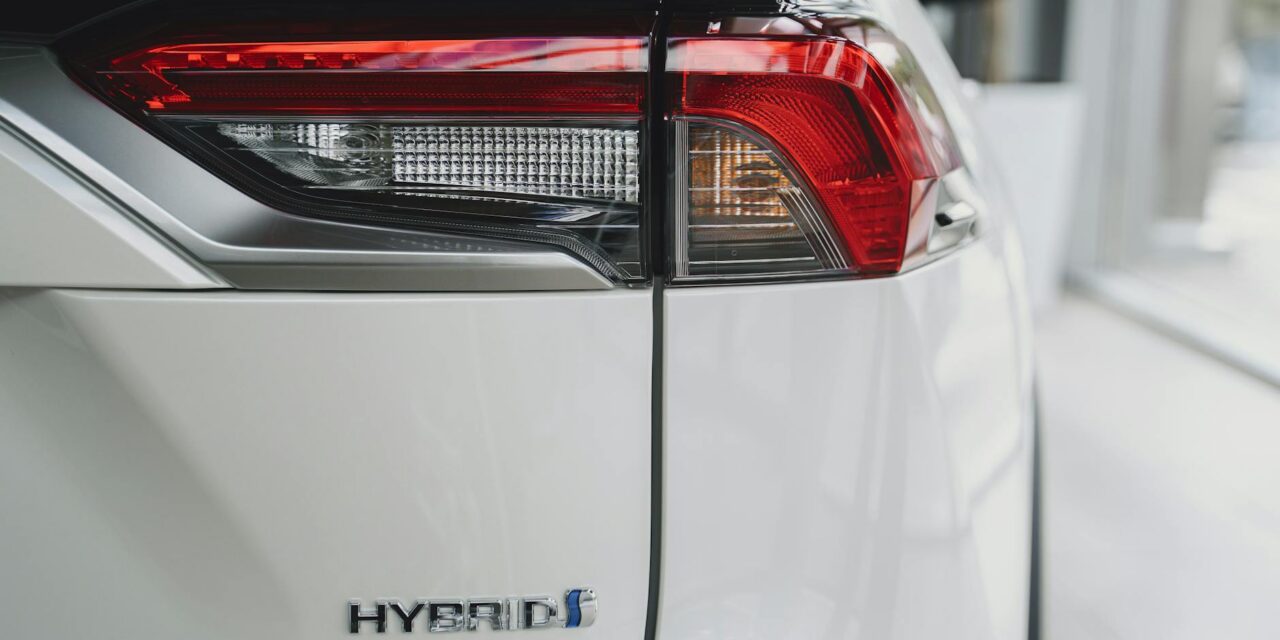
Even as the BEV debate dominates headlines, mild‑hybrid models are slipping into fleets and raising hidden repair and insurance expenses.
The Quiet Surge of Mild Hybrids
Mild‑hybrid systems—often marketed as “non‑rechargeable hybrids”—have slipped past the hype surrounding full‑electric vehicles because they need no plug‑in infrastructure while still promising modest fuel savings. The balance between efficiency and practicality is the core selling point automakers use to target fleet managers and cost‑conscious consumers.
Since 2023, mild‑hybrid SUVs on U.S. dealer lots have risen about 15 % each year, according to industry tracking firms. This growth is driven not by consumer demand for electrification but by manufacturers’ need to meet tightening Corporate Average Fuel Economy (CAFE) standards without the cost penalties of full‑battery packs. The result is a wave of “practical” powertrains that quietly proliferate in rental fleets, corporate car pools, and government agencies.
Hidden Cost Drivers: Batteries and Calibration
The modest fuel gains of a mild hybrid mask two significant expense categories that emerge as the vehicles age.
First, the hybrid battery replacement cost remains significant but manageable. A 2025‑model mild‑hybrid SUV may cost $2,500–$3,500 to replace a degraded pack, while later‑generation models with larger modules can climb to $4,000–$5,000. For fleets that rotate vehicles every three to four years, these out‑of‑pocket expenses quickly erode the fuel‑savings narrative.
Second, the added electronic control units (ECUs) that manage the 48‑volt belt‑starter‑generator require precise calibration after any major service. Unlike a conventional gasoline engine, a mild hybrid’s torque‑assist logic must be relearned after brake‑by‑wire updates, transmission repairs, or even a simple coolant flush. Technicians report that calibration can add $200–$400 per service visit, a cost rarely disclosed in the vehicle’s price tag. Because the software is proprietary, many independent shops charge a premium for factory‑approved tools, further inflating labor bills.
Together, these hidden costs create a “repair‑cost premium” absent from the upfront sticker price and advertised fuel‑economy figures.
Insurance Premiums Edge Up
Insurance underwriters have begun adjusting actuarial models to reflect the new risk profile of mild hybrids. A Reddit thread from mid‑2025 captured a Wisconsin EV owner noting that their annual auto insurance bill sat at $3,200–$3,300 after switching from a conventional sedan to a plug‑in hybrid. While the post does not isolate mild hybrids, it illustrates a broader market trend: insurers are pricing in higher parts costs and the likelihood of more frequent claim adjustments due to calibration‑related failures.
Claims data from the past two years show a 7 % increase in average repair payouts for mild‑hybrid models compared with purely gasoline counterparts. The rise is driven primarily by battery module replacements and the need for specialized diagnostic equipment, which insurers now treat as “high‑cost components.” As a result, premium quotes for fleet‑wide mild‑hybrid purchases have risen by roughly 4–5 % in 2025, a figure that compounds over a typical five‑year ownership horizon.
Fleet Implications and Total Cost of Ownership
For fleet managers, total cost of ownership (TCO) has always balanced acquisition price, fuel expense, maintenance, and depreciation. The mild‑hybrid promise of “practical” fuel savings looks attractive on paper, but hidden repair and insurance increments shift the TCO curve upward.
Consider a 2026 Honda Accord Hybrid, highlighted by Clawson Honda for its “practical handling and speedy performance.” While the model delivers an EPA‑rated 48 mpg combined, its mild‑hybrid architecture adds a 48‑volt system that requires periodic software updates. For a fleet of 50 vehicles, battery replacements (averaging $3,000 each after five years) and calibration labor ($300 per service, twice per year) can exceed $250,000—far beyond the fuel savings of roughly $120,000 over the same period.
When insurers factor in higher claim payouts, the net TCO advantage evaporates. A side‑by‑side comparison of a conventional gasoline fleet versus a mild‑hybrid fleet shows a 5 % higher overall expense for the hybrid group after five years, primarily driven by the non‑fuel components discussed above.
These findings suggest that fleet owners who prioritize predictability and low maintenance overhead may be better served by the most efficient internal‑combustion engines or by fully electric vehicles with proven battery‑warranty structures.
What Buyers Should Demand
Car buyers and fleet decision‑makers can mitigate the emerging mild‑hybrid trap by insisting on transparent warranty terms and service‑network support.
- Extended battery warranties – Seek at least an eight‑year or 100,000‑mile coverage that includes replacement labor.
- Calibration‑free service contracts – Some manufacturers now offer “software‑maintenance” plans that cover ECU re‑learning after any repair.
- Insurance‑cost disclosures – Request a pre‑purchase insurance quote that isolates the mild‑hybrid surcharge, allowing a true TCO comparison.
- Alternative powertrains – Evaluate plug‑in hybrids or pure EVs if the fleet’s driving patterns support them; these platforms often benefit from more mature warranty ecosystems and lower insurance premiums.
By treating mild hybrids as a distinct cost category rather than a “practical” compromise, buyers can avoid surprise repair bills and insurance spikes that are quietly reshaping fleet economics. The conversation about electrification must expand beyond BEV adoption rates to include the under‑covered, rapidly scaling mild‑hybrid segment—and the hidden financial burdens it brings.