The price of a fountain soda isn’t just a menu item—it’s a symptom of a pricing strategy that inflates restaurant bills far beyond genuine costs.
The real problem isn’t “inflation” at all, it’s a deliberate pricing scheme that hides profit and tip‑padding inside a $4 soda.
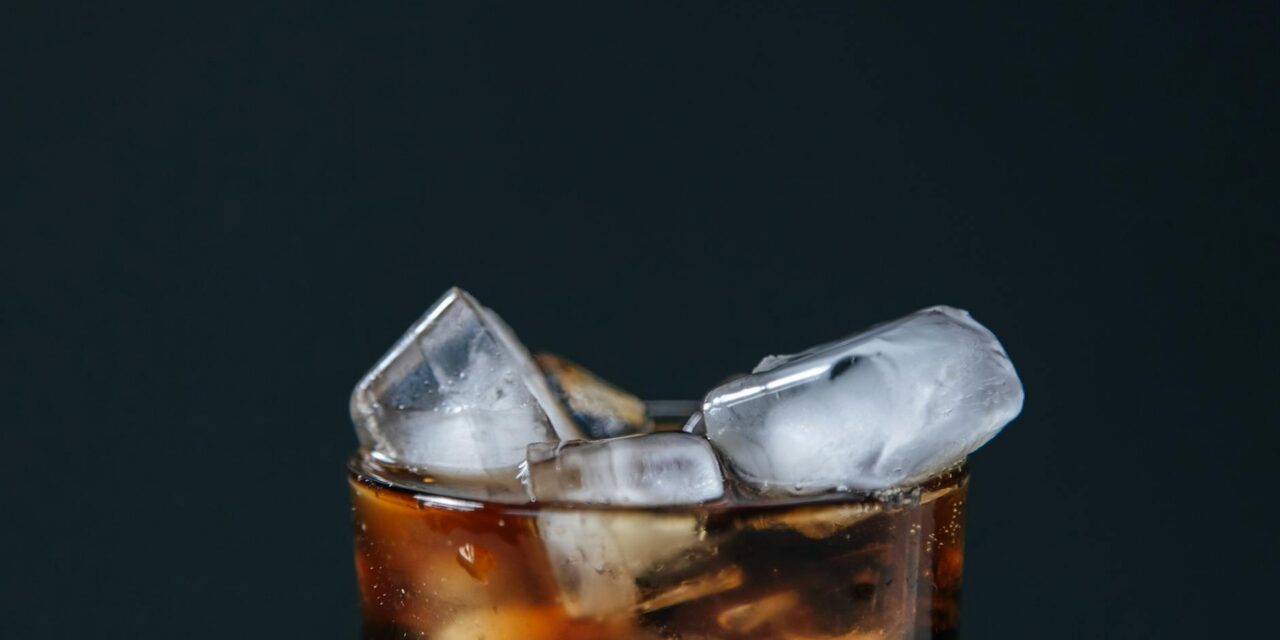
A gourmet burger at a trendy downtown eatery now runs about $20. The accompanying fountain drink, which costs roughly ten cents in syrup and water, is routinely marked up to $4 – a 4,000 % markup. Restaurants claim the charge subsidizes labor, but the math shows the opposite: the soda inflates the entire check, forcing diners to foot the bill for wages that should already be covered by the employer. Data from the Bogleheads forum, where users lament that restaurant prices are climbing “way beyond inflation and much faster than grocery,” and FinanceBuzz’s soda‑inflation analysis, which notes that soda prices have risen faster than the overall consumer‑price index since 2020, illustrate a cascade of hidden fees that erode real purchasing power for voters already squeezed by housing, healthcare, and education costs.
Why are restaurant soda prices so high compared to grocery store prices?
A 2‑liter bottle of soda at a grocery store costs about $3—the same amount many restaurants charge for a 12‑ounce fountain drink. The discrepancy isn’t “premium branding”; it’s a pricing strategy. Restaurants buy syrup in bulk, often from a local distributor within 20 miles, at a fraction of a dollar per gallon. Yet the menu price reflects a markup that rivals the cost of the main entrée.
FinanceBuzz’s analysis shows that even generic, store‑brand sodas have outpaced inflation, suggesting the surge isn’t limited to specialty drinks but is baked into the entire beverage category. The CNET report on fast‑food inflation highlights that most chains raised the price of burgers, fries, and soda in 2022, with only a single outlier offering a temporary cut—evidence of a systematic decision to treat drinks as a “profit cushion” rather than a cost‑recovering item.
Is the $4 soda really a hidden tip for underpaid workers?
Many diners assume the high soda price is a way of “tipping” servers who earn low wages. In reality, the tip is still required on top of the inflated check, meaning the consumer is paying twice: once for the soda and again for a tip that should already be reflected in the menu price.
If a restaurant truly needed to cover a $50‑hour wage, it would either raise all menu items proportionally or, more transparently, increase base wages and reduce reliance on tips. Instead, the practice concentrates the extra charge on a low‑cost, high‑markup item that most customers order automatically with a meal. This creates a psychological illusion: the soda feels optional, but it is effectively mandatory for the full dining experience.
How does soda inflation compare to overall restaurant price hikes?
The Bogleheads discussion notes that restaurant prices have been rising “way beyond inflation” while grocery prices lag behind. This divergence is stark when you compare the CPI‑adjusted cost of a burger (which has risen modestly) to the explosive growth of fountain drink prices.
A quick back‑of‑the‑envelope calculation illustrates the gap: a soda that costs $0.10 to produce is sold for $4, a 3,900 % markup. Even if labor, rent, and utilities account for a 30 % increase in overall restaurant overhead, they cannot justify a 4,000 % markup on a single side item. The CNET fast‑food inflation story reinforces this by showing that most chains have been raising soda prices alongside other menu items, suggesting a coordinated pricing push rather than isolated cost pressures.
What does the U.S. cost of everyday life reveal about systemic greed?
A broader look at Kindalame’s comparison of China vs. the United States shows that essential goods—including food, housing, and healthcare—are significantly more expensive in the U.S., even though wages are higher. The article points out that many Americans feel “detached from value” as costs outpace wages, a sentiment echoed across forums where users admit they think long and hard before dining out if the value isn’t there.
The Consumerism at the Edge piece describes an “extractive model” where every swipe of a credit card fuels a perpetual rent‑paying lease on everyday life. The $4 soda is a micro‑example of that model: a tiny, low‑cost commodity turned into a high‑margin revenue stream that pads corporate profits while consumers shoulder the burden.
What can consumers do to push back against the soda pricing scam?
- Demand transparent pricing. Ask restaurants to break down the cost of beverages versus food, or simply order water.
- Support establishments that price drinks at cost. Some independent cafés and fast‑casual spots list their fountain drinks at cost‑plus a minimal margin, proving the markup isn’t a necessity.
- Leverage the tip‑to‑price ratio. If you find a soda’s price unjustified, leave a smaller tip and note your concern on the receipt or in an online review. Public pressure can force a reassessment of pricing policies.
- Advocate for higher baseline wages. When workers receive a living wage, the incentive for restaurants to “hide” labor costs in drink markups diminishes.
- Educate peers. Share the data from FinanceBuzz, CNET, and the Bogleheads community that restaurant prices are outpacing groceries.
Treat the soda price as a political issue rather than a harmless menu quirk. Voters can push legislators to consider consumer‑protection measures that limit extreme markups on low‑cost items.
What do you think? Have you felt the sting of a $4 soda on your wallet? Should restaurants be required to price drinks closer to their actual cost, or is the markup justified as a tip supplement? Share your experiences, suggestions, or disagreements below—let’s keep the conversation bubbling.