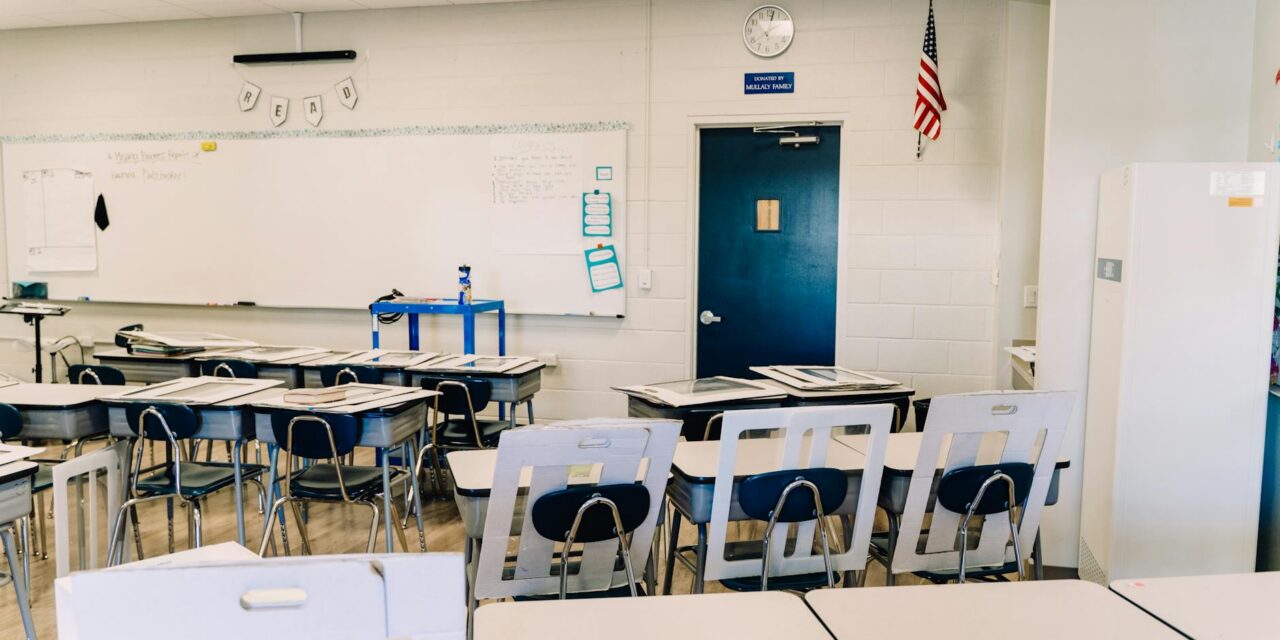
Attendance isn’t recovery—sleep‑disrupted brains can sit in class but can’t actually learn.
Schools that celebrate a student’s return to the classroom after a concussion often miss the most critical symptom: fragmented sleep. The CDC’s February 2026 HEADS UP update and a March 2026 pediatric mild‑traumatic‑brain‑injury (mTBI) study both show that a child can be physically present while still cognitively and emotionally compromised. When teachers equate “back at school” with “back to learning,” they risk prolonging recovery, increasing the chance of a second injury, and silently harming the child’s academic trajectory.
How does the CDC’s new HEADS UP guidance reshape return‑to‑learn expectations?
The CDC’s February 2026 guidance urges schools to bring students back within one to two days of a concussion, but only with symptom‑based supports rather than waiting for a “100 %” feeling — a shift from the old “wait until the headache disappears” model. The agency explains that “school professionals may notice new concussion signs once your child is back at school,” meaning the classroom itself becomes a diagnostic arena where teachers can observe fatigue, memory lapses, or emotional volatility that were hidden at home—provided they know what to look for. CDC return‑to‑school guidelines and Kindalame commentary on the “wait‑until‑you‑feel‑100%” rule reinforce this point.
The guidance also stresses that staying home until every symptom vanishes actually prolongs healing. By re‑entering the classroom early, students receive “graded‑exposure” to cognitive demands while staff can adjust workloads, schedule rest breaks, and monitor sleep‑related complaints. In practice, however, many schools interpret “back at school” as a green light to resume full‑day, full‑intensity instruction, overlooking the subtle but pervasive impact of sleep disruption.
What does recent pediatric mTBI research tell us about sleep problems after concussion?
A March 2026 pediatric study of mild‑traumatic‑brain‑injury found that daytime fatigue was the most common post‑concussion complaint, often masquerading as disengagement or lack of effort. The authors note that “children who seem ‘checked out’ after a head injury are often battling hidden sleep problems, not a lack of effort.” Kindalame report on daytime fatigue.
The same research underscored that sleep fragmentation impairs attention, memory, and emotional regulation, all essential for classroom learning. Even if a student reports feeling “okay” in the morning, a night of interrupted REM cycles can leave the brain without the restorative processes needed for neuroplasticity. In other words, the child may be physically present but cognitively “asleep” at the desk.
Why do teachers often mistake daytime fatigue for simple disengagement?
When a student’s eyes glaze over during a lesson, the instinctive response is to label the behavior as “off‑task” or “lazy.” Yet the CDC’s return‑to‑school guidelines list “symptoms that affect thinking and memory” as key concussion indicators—a category that directly includes fatigue. CDC symptom list and Children’s AL blog on recovery time highlight this.
In the classroom, daytime sleepiness can look identical to lack of motivation: slowed responses, missed cues, and an inability to sustain attention on a worksheet. Without a systematic sleep‑screening protocol, teachers may attribute these signs to behavioral issues, leading to punitive measures rather than supportive accommodations. A survivor quoted in Kindalame captures it well: “I was sitting in class, but my brain was still trying to catch up on a night of broken sleep.” Attendance alone fails to capture that reality.
What practical steps can schools take to detect and support sleep‑broken students?
- Implement a brief sleep‑screening questionnaire on the first day back. The Kindalame article on sleep screening argues that “families who wait for fatigue, headaches, or mood swings to surface may be missing the most actionable clue: a disrupted night’s sleep.” Why sleep screening may be the missing first step. A three‑question check (hours slept, number of awakenings, perceived restfulness) can flag students who need additional monitoring.
Schedule structured “brain‑rest” periods throughout the day. The CDC recommends symptom‑based modifications such as limiting screen time, providing quiet spaces, and breaking tasks into shorter chunks. Evidence shows that avoiding video games and movie theaters until symptoms resolve helps protect the recovering brain. Massachusetts concussion guide.
Train all school staff to recognize concussion‑related fatigue. Professional development should cover the CDC’s list of “new concussion signs” observable in the classroom, from slowed speech to emotional volatility. When teachers can name the symptom, they are less likely to misinterpret it as behavioral defiance.
Use a “graded‑exposure” academic plan. Rather than returning the student to a full schedule, start with low‑cognitive‑load activities (e.g., listening exercises) and gradually increase complexity as sleep quality improves. This mirrors the “return‑to‑learn recovery time” model that gives the brain space to heal while keeping the student engaged. Children’s AL blog on graded exposure.
Communicate regularly with families about sleep hygiene at home. Simple strategies—consistent bedtime, limiting caffeine, and creating a screen‑free wind‑down—can dramatically improve nighttime restoration, reducing daytime fatigue in the classroom.
How does ignoring sleep disruption increase the risk of longer recovery or a second concussion?
The Massachusetts concussion guide warns that second concussions can cause even worse damage to the brain—a risk amplified when the first injury has not fully healed. Massachusetts guide PDF. Sleep deprivation slows the brain’s metabolic recovery, leaving neural pathways vulnerable for weeks beyond the visible symptom window.
When a student returns to full academic demands while still sleep‑broken, they are more likely to experience cognitive overload, leading to headaches, dizziness, or renewed confusion—classic signs that a second impact may be imminent. Treating attendance as recovery creates a feedback loop: the child pushes through fatigue, the brain remains inflamed, and the likelihood of a repeat injury climbs.
What does the survivor perspective teach us about the hidden cost of “back at school”?
A student who survived a concussion recently told Kindalame, “I was in the room, but my mind was still stuck in the night I couldn’t sleep.” That lived experience highlights the disconnect between physical presence and functional readiness. When teachers base judgments solely on who walks through the door, they miss the silent battle waged behind closed eyelids.
The survivor’s story also underscores the emotional toll: feeling “checked out” can erode self‑esteem, increase anxiety about school performance, and foster a sense of isolation. Recognizing that these feelings stem from a physiological sleep deficit—not laziness—allows educators to respond with empathy, accommodations, and a clear pathway back to true learning.
What can you, as a teacher, do differently tomorrow?
Consider adding a quick sleep check on your next return‑to‑learn checklist, pause before labeling a sleepy student as disengaged, and share the CDC’s symptom‑based guidance with your administration. Your vigilance can turn “back at school” from a false promise into a genuine step toward recovery.
I’d love to hear how you’ve navigated sleep‑related concussion challenges in your classroom. Share your strategies, questions, or concerns in the comments below.